Blog
Can Homeopathy Help in Kidney Stones? Natural Support Without Harsh Side Effects


Passing a kidney stone is often described as one of the most painful experiences a person can face. The sharp, gripping pain in the lower back that travels toward the abdomen or groin can be overwhelming.
If you are exploring homeopathy for kidney stones, you are likely looking for relief that does not rely solely on surgery or heavy painkillers.
Homeopathy offers a gentle and individualized approach. It focuses not only on helping the stone pass but also on correcting the body’s tendency to form stones again.
Understanding Kidney Stones (Renal Calculi)
Your kidneys filter waste and extra minerals from the blood. When urine becomes concentrated, minerals like calcium, oxalate, or uric acid may crystallize. Over time, these crystals can stick together and form stones.
Common types include:
1. Calcium Oxalate Stones
The most common variety. Often linked to dehydration and high oxalate intake.
2. Uric Acid Stones
Develop when urine becomes too acidic. More common in high-protein diets.
3. Struvite Stones
Usually associated with urinary tract infections.
4. Cystine Stones
Rare and genetic in origin. These small stones may pass unnoticed. Larger ones can block the ureter and trigger severe pain known as renal colic.
Why Consider Homeopathy for Kidney Stones?
Conventional treatment often focuses on waiting for the stone to pass or using shock wave therapy to break it. While these methods can be necessary, many patients look for a supportive, less aggressive approach.
Homeopathy for kidney stones works on two important levels:
1. Managing acute pain and urinary irritation
2. Reducing recurrence by addressing the body’s internal imbalance
It follows the principle of matching the remedy to your exact symptom pattern. The location of pain, the type of urine sediment, timing of symptoms, and even emotional state during an attack all guide remedy selection.
Top Homeopathic Medicines for Kidney Stones
There is no one-size-fits-all solution. Below are commonly used remedies chosen based on symptom presentation.
1. Hydrangea (Supportive Mother Tincture)
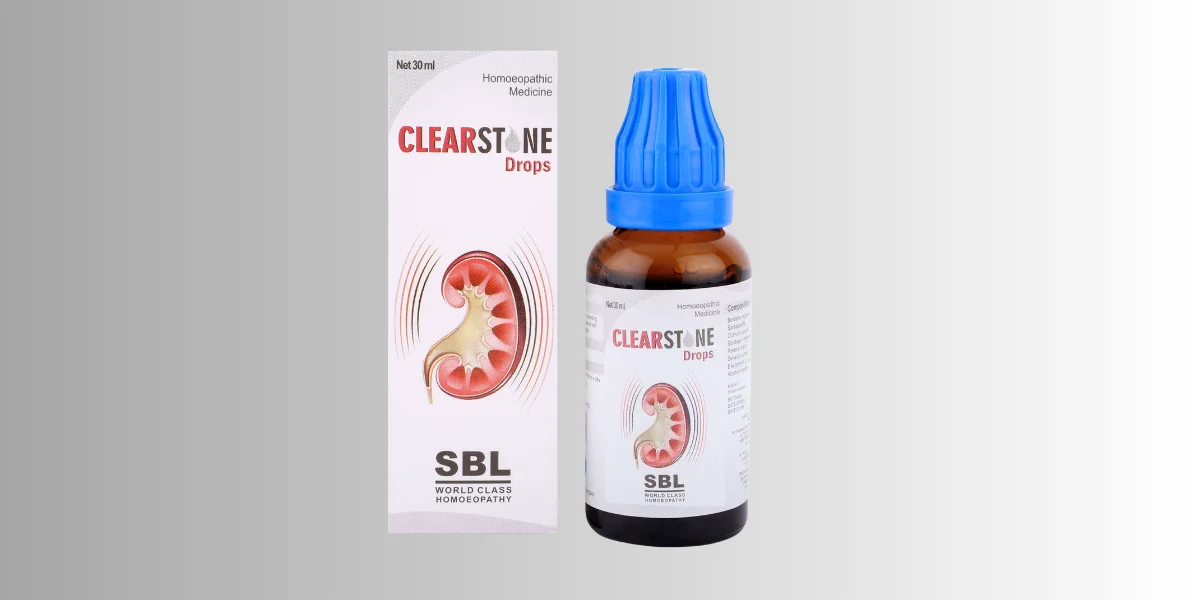
Sometimes referred to as a supportive “stone breaker,” formulations like Clear Stone drops are commonly used to help ease stone passage.
2. Berberis Vulgaris (A Classic Choice)
Often considered the primary remedy for kidney stones.
Key features:
• Sharp, radiating pain from kidney to bladder
• Bubbling or stitching sensation
• Reddish sediment in urine
• Pain that shifts location
Many people use Berberis Vulgaris Q (mother tincture) during acute episodes under professional guidance.
3. Lycopodium (Right-Sided Stone)
Indicated when pain is predominantly on the right side.
Key features:
• Symptoms worse between 4 PM and 8 PM
• Red sand-like sediment in urine
• Bloating or digestive discomfort
4. Sarsaparilla (Pain at End of Urination)
Useful when pain becomes intense at the completion of urination.
Key features:
• Thin urinary stream
• White sandy deposits
• Often right-sided stones
5. Cantharis (Burning Sensation)
Helpful when burning and urgency dominate.
Key features:
• Constant urge to urinate
• Passing small amounts of urine
• Burning with possible blood
How to Take Homeopathic Mother Tinctures Properly
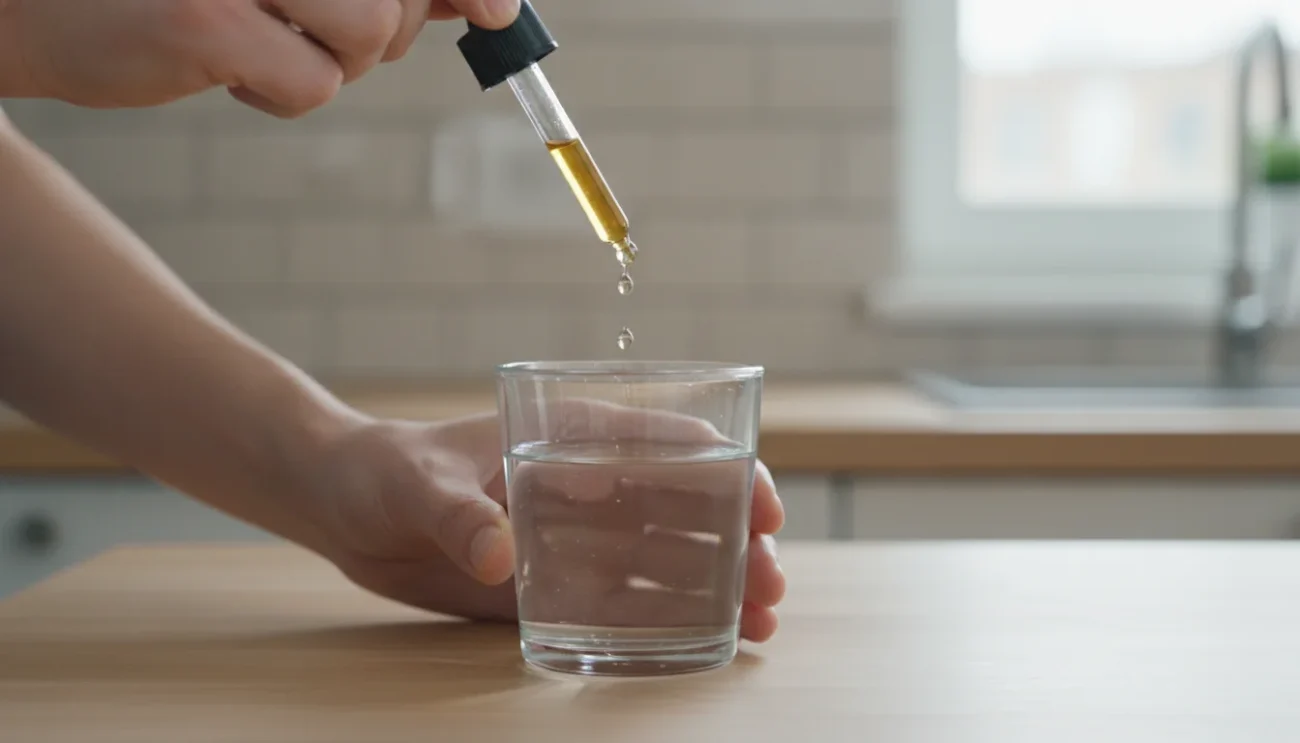
Many people purchase mother tinctures but are unsure about proper usage.
Basic guidelines:
• Take one-fourth cup of lukewarm filtered water
• Add 10–15 drops of tincture
• Stir gently
• Take 2–3 times daily during the initial stage
Avoid food or strong flavors like coffee, garlic, or mint for at least 20 minutes before and after dosing.
Always consult a qualified practitioner for proper dosage and duration.
The 7 mm Rule – When Surgery Becomes Necessary
Homeopathy works best for small to moderate stones, typically below 7 mm.
Immediate medical care is required if you experience:
• High fever or chills
• Complete urinary blockage
• Persistent vomiting
• Severe pain not improving
Homeopathy is supportive, but emergency conditions require urgent medical attention.
Supporting Kidney Health Beyond Serious Pain
Kidney stones often recur. Surgery removes the stone but does not always correct the metabolic tendency behind it.
Maintaining proper mineral balance is essential. Vitamin D plays a role in calcium metabolism and overall bone health. If a deficiency exists, correcting it may support long-term balance. Vitamin D supplementation should always be guided by blood test results and professional advice.
Adequate hydration remains the most powerful preventive measure.
Post-Stone Care: Healing the Urinary Tract
Once the stone passes, irritation may remain. Tiny abrasions inside the ureter can cause lingering soreness.
- Continue hydration.
- Follow a reduced remedy dose if advised.
- Monitor urine clarity and frequency.
Ignoring post-expulsion care can increase risk of recurrence.
Dietary Support Based on Stone Type

1. For Calcium Oxalate Stones:
- Reduce spinach, beetroot, nuts, chocolate.
- Ensure balanced calcium intake.
2. For Uric Acid Stones:
- Reduce red meat and organ meats.
- Increase alkaline foods such as lemon water and vegetables.
3. Universal rule:
- Drink enough water to keep urine light in color.
Constitutional Treatment: The Long-Term Solution

A professional homeopath may look deeper into:
• Sleep patterns
• Stress levels
• Food cravings
• Reaction to temperature
This broader assessment helps reduce the tendency for repeated stone formation, and you may consider to book a personalized homeopathic consultation for a detailed evaluation.
Final Thoughts
Homeopathy for kidney stones provides a supportive, individualized, and non-invasive approach. While it is not a replacement for emergency care in severe cases, it offers meaningful relief for many individuals seeking a gentler path.
If you are dealing with recurring kidney stones, consult a qualified practitioner to explore a tailored treatment plan.
Frequently Asked Questions
Small stones may pass within days. Larger stones may take weeks. Size, location, and hydration levels influence outcome.
Generally yes. Homeopathic remedies do not usually interfere with conventional medicines. Always inform your doctor.
When taken in recommended dilution or tincture doses, it is generally considered safe.When taken in recommended dilution or tincture doses, it is generally considered safe.
Yes. Remedies like Ipecac or Tabacum may help with nausea associated with renal colic.
Because the underlying metabolic imbalance has not been corrected. Long-term constitutional treatment aims to reduce recurrence.